How to save on an apartment renovation: practical advice for every budget

1. Planning and budgeting are the basis
Before you start, make a detailed plan and budget. Avoid impulse purchases and expensive changes during the renovation. Make a list of priorities and divide the project into stages. It is also recommended to set aside part of the budget for unforeseen costs – usually at least 10–15% of the total.
2. Choose suppliers carefully and compare offers
Ask several companies for non-binding quotes. Ask for references, pay attention to personal recommendations and don’t be afraid to negotiate discounts or other savings with suppliers. For more complex work it often pays to invest in an experienced professional, but it always pays to compare the prices of materials and labour.
3. A well-thought-out interior design from a residential architect
Working with a residential architect can be key to a successful project. A professionally thought-out design helps avoid mistakes on site and gives a clear overview of the total budget. The architect will also suggest cost-effective solutions and help remove expensive elements that aren’t necessary, saving you considerable money, time and worry.
Apartment or house design for you
4. Where you can save on materials
Consider using recycled or refurbished materials. Wooden floors, for example, can often be refurbished instead of buying new ones, and older wooden doors can get a new lease of life if you sand and paint them. Some building stores and online marketplaces offer good second-hand materials for a fraction of the price.
5. Choose more affordable options where it doesn't reduce quality
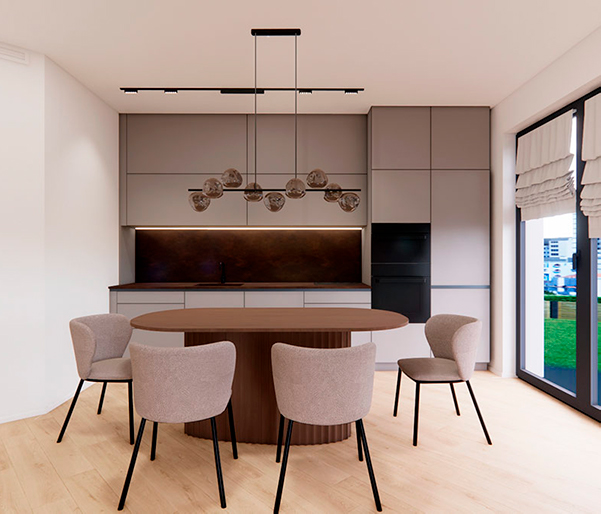
Bathrooms and kitchens tend to be the most expensive parts of a renovation. Where possible, choose more affordable tiles or worktops, but keep the quality of elements that are subject to heavy wear, such as sinks or appliances. Choosing more economical materials can save you a lot of money.
6. DIY: what you can do yourself
You can do some simpler jobs yourself, such as painting, laying floor coverings or assembling furniture. Besides saving money, working on your own home can also be enjoyable. If you don’t feel up to some jobs, look for guides online or ask more experienced friends for help.
7. Prefer repairs to replacement
If your apartment has elements that can be repaired instead of completely replaced, consider this option. Older windows, for example, can get new seals – refurbishing them saves you a lot of money compared with new ones.
8. Avoid design trends that date quickly
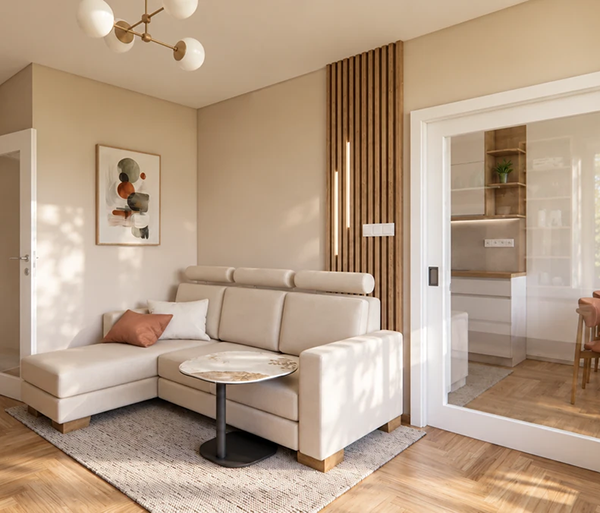
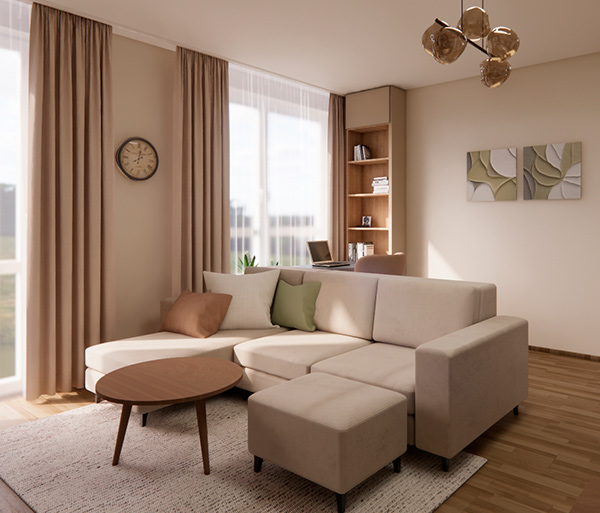
When choosing a style and colours, stick to timeless design solutions. Investing in extravagant but short-lived trends can mean the cost of another renovation in the future. Neutral colours and quality materials will keep your apartment attractive for many years.
9. Watch for discounts and sales
Choose the right time to buy furnishings and materials, when building stores hold seasonal discounts or clearance sales. For more expensive items such as kitchen appliances, it often pays to watch prices and take advantage of promotions.
10. Consider a step-by-step renovation
A step-by-step renovation according to your financial possibilities lets you control costs and spread spending over several phases. The first stage can include, for example, repairing floors and walls, while the kitchen or balcony can be done later.
11. Furniture and decorations – prefer function and simplicity
For furniture and decorations, focus on simplicity and practicality. Less can be more, and a minimalist interior often looks clean and elegant. You can save on furniture by choosing good-quality but affordable products from retail chains, importing furniture from Poland or buying second-hand.
Summary
A successful and cost-effective apartment renovation is possible with a well-thought-out plan, clearly set priorities and a careful choice of suppliers and materials. With a little creativity and willingness to do some of the work yourself, you can save a considerable amount of money and still get a quality, modern home that suits you.