What must an interior designer be able to do?

Revealing the secrets of their skills and knowledge
1. Aesthetic sense and knowledge of design styles
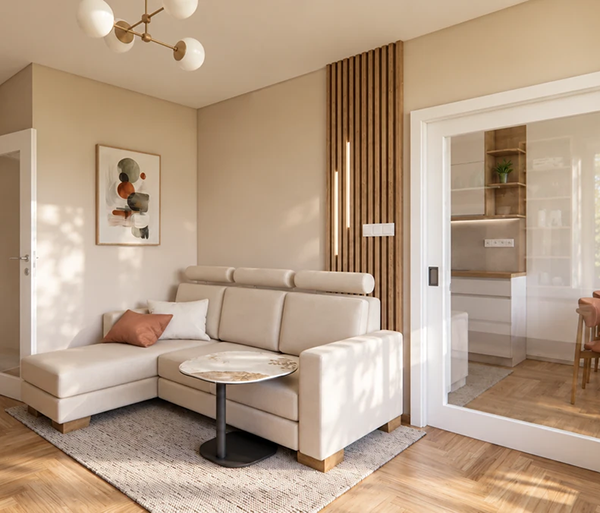
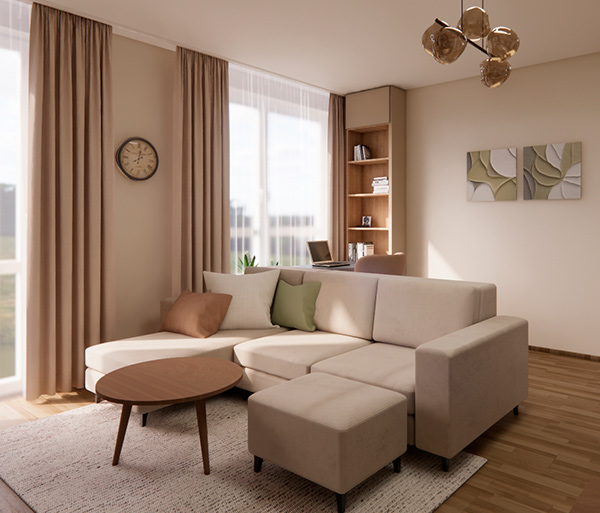
Every interior designer must have an excellent aesthetic sense and a feel for harmony. They must know all the main design styles – from modern minimalism and Scandinavian style to glamour or rustic. It is important not only to understand trends but also to see which of them will suit a specific space and its users. The right choice of colours, materials and shapes is the key to success.
2. Technical knowledge and skills
Interior design isn’t just about ideas on paper. A designer needs technical knowledge to work with architectural plans, understand building standards and know which furniture and equipment can fit into a given space. Being able to work with 3D visualization software is a must today, so the client can see exactly what their space will look like.
3. Knowledge of made-to-measure furniture
A designer must also be an expert in made-to-measure furniture. They need an overview of different materials, types of fittings and the technologies joiners use to build furniture according to the design. This knowledge must allow them to communicate effectively with manufacturers, so that the result matches the design and the function of the space. The ability to optimise costs and make sure the furniture is ergonomic and suits the occupants’ needs is also important.
4. Knowledge of building technologies and standards
An interior designer must also understand construction and propose solutions that can actually be built. Every design must meet technical requirements for safety, stability and suitable structural solutions. This includes understanding different materials and building techniques. Thanks to this knowledge, the designer can make sure the designs are not only attractive but also safe and functional.
Apartment or house design for you
5. Calculating the right lighting
Lighting plays a crucial role in an interior, and a designer must know how to calculate how much and what kind of light is needed in different parts of the rooms. This includes choosing the lights, but also the right light intensity and placement of light sources to suit the occupants’ needs and the function of each zone. The designer must also be able to combine different types of lighting, such as ceiling lights, lamps and spotlights, and choose a light colour that suits the space – warm light for relaxation zones and cooler light for work surfaces.
6. Knowledge of ergonomics and functionality
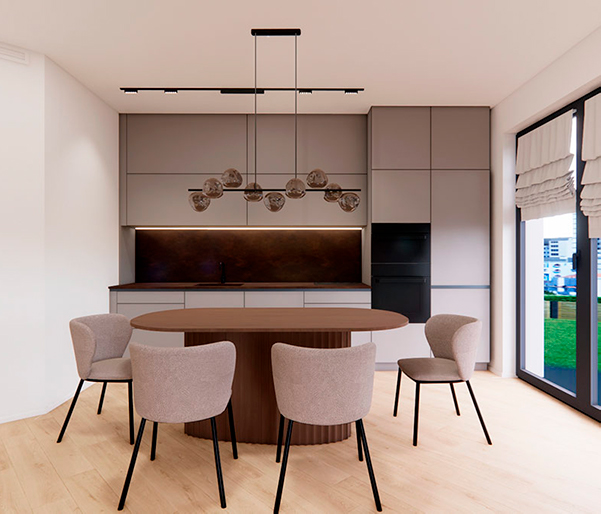
A designer must have deep knowledge of ergonomics and the functional layout of a space. This means knowing how to arrange an interior so it is comfortable and practical for everyday life. Ergonomics concerns not only the right choice of furniture but also where it is placed. In a kitchen, for example, all the work surfaces and appliances need to be arranged logically and efficiently.
7. Knowledge of materials and technologies
An interior designer must be an expert in different materials, their properties and their suitability for different parts of the interior. They need to know which materials are durable, easy to maintain, safe for health and environmentally friendly. It is also necessary to keep up with new technologies, such as smart homes, custom lighting or heating systems.
8. Project management
An interior designer often becomes the coordinator of the whole project. They must be able to draw up a schedule of works, supervise individual suppliers and make sure the project is finished on time and within budget. They should also advise on the choice of materials, furniture and decorations so that everything matches the original design.
9. Communication and collaboration
Communication skills are essential for a designer. They must be able to listen to clients and their wishes, but also explain why some of their ideas are not practical or aesthetically suitable. Besides communicating with the client, they need to work with craftsmen, architects and other specialists so that everything runs smoothly.
10. Understanding budgets
A designer must keep control not only of the aesthetic and functional side of the design but also the financial side. They need to know how to budget a project, how to choose suitable materials within a given financial limit and how to avoid unnecessary overspending. Financial planning is key, because the budget often determines the client’s final decision.
11. Knowledge of sustainability and eco-friendly solutions
Today it is increasingly important to design interiors with sustainability in mind. A designer should be able to work with eco-friendly materials and energy-saving solutions and keep up with what’s new in sustainable design.
12. Patience and problem-solving
Every project brings unexpected challenges, whether problems with building work, changes in the choice of materials or budget constraints. The ability to adapt and quickly find a solution is indispensable for a designer.
Conclusion
An interior designer must be not only creative but also technically skilled and able to manage projects. It is a demanding profession that requires continuous learning and the ability to adapt to changes and trends. If you decide to approach a designer for your interior, you can be sure that there is much more behind their work than just choosing pretty accessories.